

When homeowners need additional funds, they may explore various financing options. One such option is a second charge mortgage. Providing a way to tap into the equity built up in a property. In this Retirement Solutions article, we’ll delve into the concept of second charge mortgages. Exploring what they are, how they work, and the pros and cons associated with this financial solution.
This article is for information only and is designed to provide some background into second charge mortgages. With any mortgage or financial solution it is imperative to seek independent advice. Your home is at risk if you don’t keep up the payments.
What is a Second Charge Mortgage?
A second charge mortgage, also known as a secured loan or homeowner loan. Is a financial product that allows homeowners to borrow money against the equity they have in their property. Unlike a first mortgage, which takes precedence in terms of repayment. A second charge mortgage is subordinate to the primary mortgage.
This means that in the event of default and subsequent repossession. The primary mortgage lender is repaid first, and any remaining funds go towards settling the second charge mortgage.
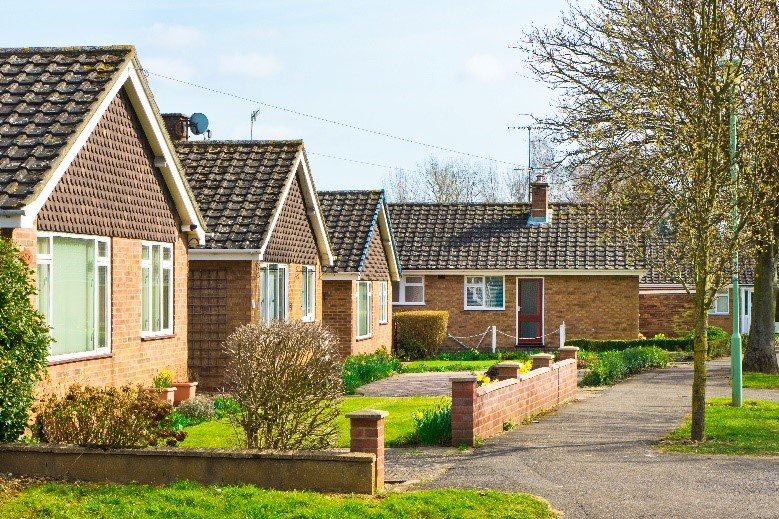

Access to Equity
Lower Interest Rates
Second charge mortgages often come with lower interest rates compared to unsecured loans or credit cards. This is because the loan is secured against the property, reducing the risk for the lender.
Flexible Use of Funds
Borrowers have flexibility in how they use the funds obtained through a second charge mortgage. Whether it’s home improvements, debt consolidation, or other financial needs, the usage is not as restricted as some other forms of financing.
Extended Repayment Terms
Second charge mortgages may offer longer repayment terms than some other types of loans. This can result in more manageable monthly payments, making it easier for homeowners to budget.


Increased Debt Obligation
By taking out a second charge mortgage, homeowners are increasing their overall debt obligation. This should be carefully considered, especially if the primary mortgage is still outstanding.
Risk of Property Repossession
As with any secured loan, there is a risk of property repossession if the borrower fails to meet the repayment terms. Homeowners should be mindful of their financial situation and ability to meet the obligations of both mortgages.
Fees and Costs of a Second Charge Mortgage
Obtaining a second charge mortgage may involve various fees, including arrangement fees, legal fees, and valuation fees. These costs should be factored into the decision-making process.
Interest on the Entire Loan Amount
Unlike a primary mortgage where interest is paid on the outstanding balance, a second charge mortgage accrues interest on the full loan amount. This can result in higher interest payments over the life of the loan.
“Let’s have a discussion about your needs for retirement? Complete the simple form and start the conversation about retirement.”
In Summary
A second charge mortgage can be a valuable financial tool for homeowners seeking to leverage their property’s equity. However, it is not without risks and considerations. Before pursuing a second charge mortgage, homeowners should thoroughly assess their financial situation, explore alternative financing options, and seek professional advice to ensure they make an informed decision that aligns with their long-term financial goals.