

Property valuation is a critical aspect of the UK’s real estate market, often used when you’re securing a financial product using your home as collateral. The home valuation is an essential safety net for lenders, ensuring they can recoup their costs if you default on the loan. So, how can you maximise the potential of your property when it’s time for valuation? Here are ten invaluable tips to get the most our of your home valuation.
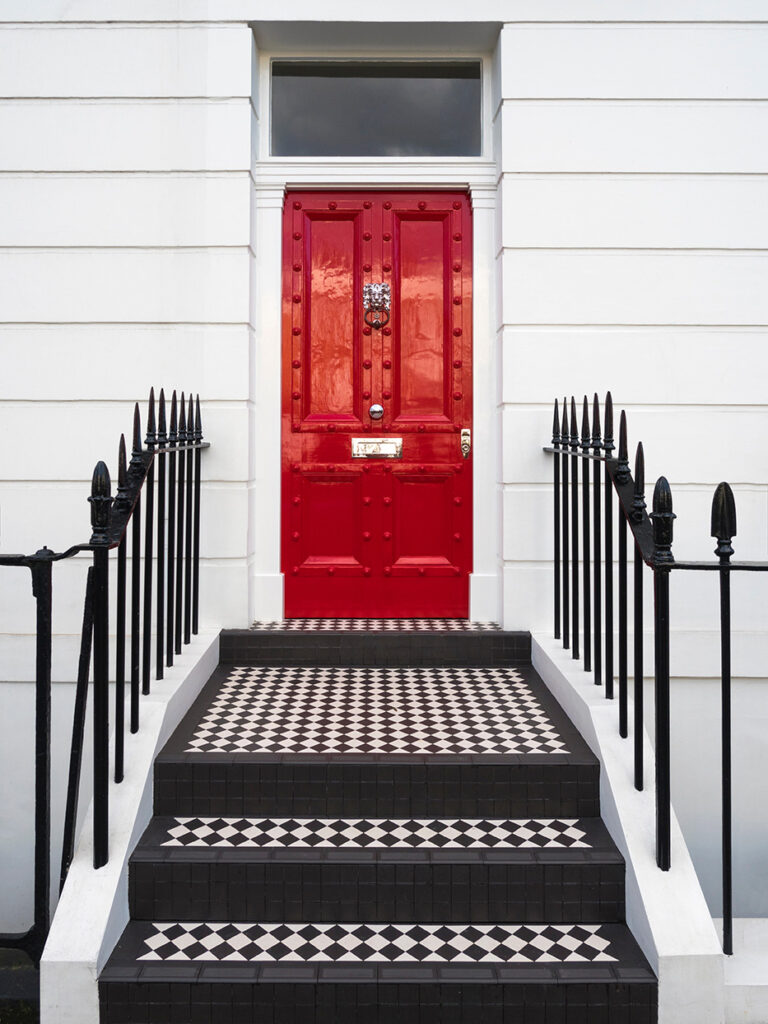
Get Some Kerb Appeal
The exterior of your property is the initial impression that a valuer gets. Keep your gardens groomed, exterior walls clean and ensure windows are not only sparkling but also come with guarantees if they are newly installed. A well-maintained exterior sets a positive tone for the rest of the home valuation.
Repair and Refresh
Even minor problems like cracked tiles, dripping taps or faded paint can detract from your valuation. These issues might appear insignificant, but they can suggest a lack of overall care. Address these repairs before the valuer visits to project a well-maintained image.
Work Smart and Prioritise
In the UK market, kitchens and bathrooms are often seen as value-adding rooms. They don’t need to be ultra-modern, but clean and contemporary is key. If these rooms are dated, think about cost-effective updates like new fixtures, fresh paint or modern cabinet doors.

Dress (your home) for success
Preparing for a home valuation involves more than just tidying up the visible surfaces. A meticulously clean home not only enhances its visual appeal but also suggests diligent maintenance, potentially increasing its perceived value. To ensure your property leaves a lasting impression, prioritize a comprehensive cleaning regimen that targets often overlooked areas such as skirting boards, light switches, and windows.
Start by decluttering each room, removing any unnecessary items that may detract from the space’s perceived size and cleanliness. Dust and wipe down all surfaces, including countertops, shelves, and furniture, paying special attention to baseboards and skirting boards where dust tends to accumulate unnoticed. A microfiber cloth or a damp sponge can effectively capture dust and grime without spreading it around.
Next, address the frequently touched surfaces like light switches, doorknobs, and handles. These areas harbor germs and fingerprints, which can create an unkempt impression if not properly cleaned. Use a disinfectant spray or wipes to sanitize these surfaces thoroughly, ensuring a hygienic environment for potential buyers.
Windows play a crucial role in brightening up spaces and offering views of the surrounding landscape. Clean both the interior and exterior of windows to remove dirt, streaks, and water stains. A mixture of water and vinegar or a commercial glass cleaner can help achieve streak-free results. Don’t forget to wipe down window sills and tracks to eliminate any built-up grime.
Additionally, pay attention to flooring throughout the house. Vacuum carpets and rugs to remove dirt and debris, and mop hard floors to achieve a polished finish. Steam cleaning carpets can help remove stubborn stains and odors, revitalizing the appearance of your floors.
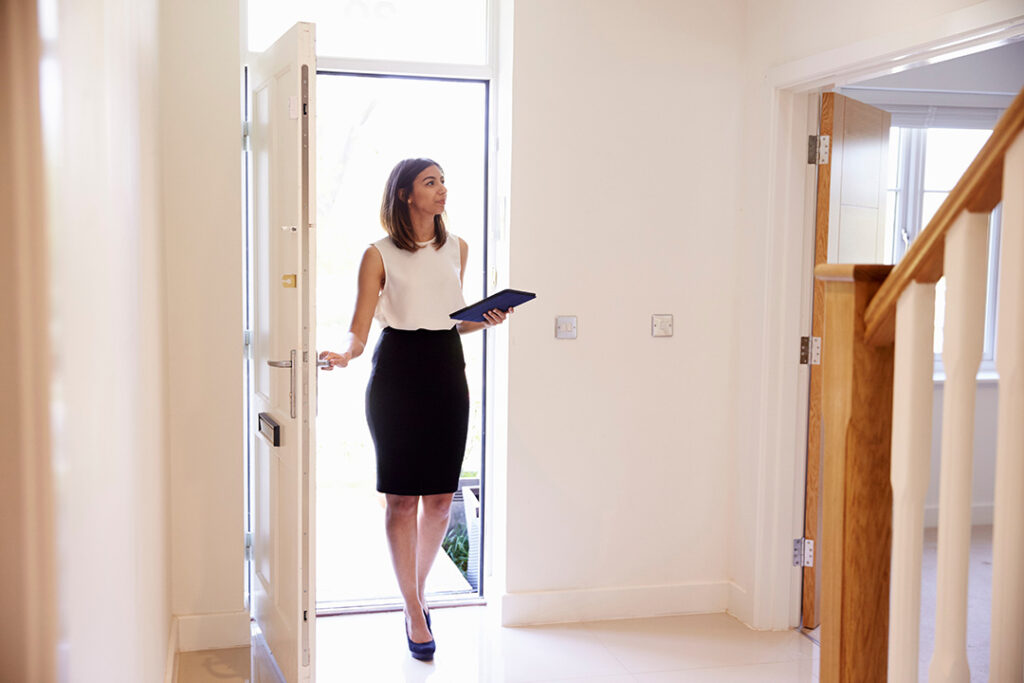
Declutter
A clutter-free house appears more spacious and inviting. Ensure surfaces, floors and walls are clear. If your rooms are filled with furniture, consider storing some pieces away to enhance the sense of space.
Showcase Unique Features
If your property boasts any unique or high-value features like solar panels or a newly installed, guaranteed windows, be sure to highlight these to the valuer. Such features can add substantial value to your home.

Provide Paperwork
If you’ve recently completed work on the house, provide the valuer with the relevant paperwork. This can include local council approvals, warranties from builders, and receipts for materials. This evidence not only proves the quality of the work but also that it has been carried out to UK standards, both of which can boost your valuation.
Be a Good Host at the Home Valuation
A welcoming and cooperative attitude can make a difference. Provide the valuer with a pleasant environment to do their work, and they may view your property in a more positive light.
Discuss Local Property Sales
If you’re aware of high-priced sales in your neighbourhood, discuss these with the valuer. Comparable sales can influence your property’s value, especially if they’re similar to your own home.
Be Transparent
Most importantly, be transparent with your valuer about any potential issues. They’re likely to discover any significant problems during their assessment, and dishonesty could lead them to question the integrity of the entire property.
In Summary
While the prospect of getting your house valued can seem intimidating, it shouldn’t be. With the right preparation and these ten tips, you can ensure your property is presented in the best possible light, potentially leading to a higher valuation. Remember, valuations are not an exact science but are professional opinions, so it’s crucial to put your best foot forward when preparing your home for this important process.