

When choosing what to do with their legacies, or gifting funds to children and grandchildren. The Bank of Mum and Dad is changing as Facts from the Institute of Fiscal Studies depict around 5% adults received a substantial gift and 2% a sizeable loan from friends or family. At some stage in their 20s and 30s adults have received at least one transfer. Here are some simple key facts about inheritance.
Facts from the IFS
- Average Gift and Loan Received are Both £2,000 (2018 – 2020)
- 10% of the largest Transfers are over £20,500 (2018 – 2020)
- 5% of the largest transfers total the value of transfers received in 2018-20
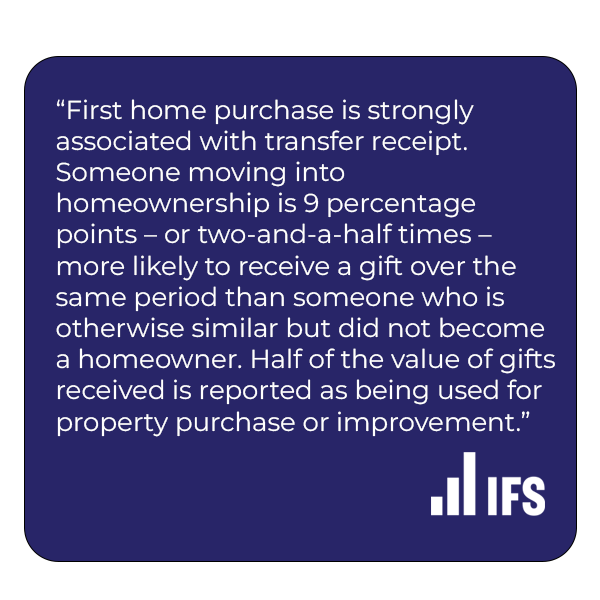
What did further research show
- Only six out of 10 parents who are gifting to their children said they were confident they have enough money for later life care costs.
- Only one in six, or 16% of parents gifting to their children were confident their children would be able to help financially with any future care costs.
- Four out of 10, or 40% of parents said that their children would not be able to help with any future care costs.

One of the numerous ways of gifting to children from The Bank of Mum of Dad. Is to look at the equity in your home. There are a number of options that would enable you to potentially free up cash. From downsizing to equity release. We would suggest seeking independent advice as to your personal circumstances before coming to any decisions.
Pros of Equity Release / Lifetime Mortgage
A lifetime mortgage is a type of equity release scheme available to homeowners, typically retirees, that allows them to unlock the value tied up in their property without needing to sell it. With a lifetime mortgage, borrowers can access a portion of the equity in their home as a lump sum payment, regular income stream, or a combination of both.
Provides access to tax-free cash
Equity release allows homeowners to unlock the value tied up in their property, providing them with a lump sum or regular income stream without the need to sell their home.
No monthly repayments
Unlike traditional mortgages, equity release typically does not require borrowers to make regular repayments. Instead, the loan and accrued interest are repaid when the property is sold, typically upon the homeowner’s death or when they move into long-term care.
Flexibility in how funds are used
Retirees can use the released equity to supplement their retirement income, cover unexpected expenses, fund home renovations, or even help family members financially.
Ability to remain in the home
Equity release allows homeowners to continue living in their property for as long as they wish, providing them with security and peace of mind in retirement.
No negative equity guarantee
Many equity release providers offer a “no negative equity guarantee,” ensuring that borrowers will never owe more than the value of their property, even if house prices fall.
Cons of Equity Release / Lifetime Mortgage
Accumulation of interest
With equity release, the interest on the loan is typically rolled up and compounded over time, which can significantly reduce the equity remaining in the property and impact the inheritance left to beneficiaries.
Potential impact on means-tested benefits
Releasing equity from your home could affect your eligibility for means-tested benefits such as pension credit or council tax support, as it may increase your overall assets and income.
Costs and fees
Equity release schemes often come with various fees and charges, including arrangement fees, valuation fees, legal fees, and early repayment charges. These costs can eat into the equity released and reduce the overall benefit of the scheme.

Impact on inheritance
By releasing equity from their property, homeowners may reduce the inheritance they leave to their beneficiaries, as the loan and accumulated interest will need to be repaid from the sale proceeds of the property.
Complex financial product
Equity release can be a complex financial product with legal and financial implications that may not be fully understood by borrowers. It’s essential to seek independent financial advice and carefully consider the terms and conditions before proceeding with an equity release scheme.
REMEMBER always seek independent advice before proceeding with financial decisions.
Important to note about Equity Release
- A lifetime mortgage is a loan secured against your home and subject to compound interest, meaning the amount you owe can grow quickly
- Equity release will reduce the value of your estate
- Equity release may leave you with limited or no property equity remaining
- Equity release may affect your entitlement to means-tested benefits
- Equity release will reduce your financial options in the future
By creating a comprehensive plan for assets, including wills, trusts, and estate planning. Retirees can ensure that their wishes are carried out and their loved ones are provided for after their passing. Moreover, sorting out one’s legacy allows retirees to leave behind a meaningful and impactful inheritance. Whether in the form of financial assets, family heirlooms, or cherished memories and values passed down to future generations.
However, this process also comes with its share of risks and challenges that The Bank of Mum and Dad should be mindful of. One risk is the potential for disputes among family members over inheritance and distribution of assets. Without clear communication and planning. Conflicts may arise, leading to strained relationships and legal battles. Additionally, retirees must be wary of financial scams and exploitation, particularly as they age and may become more vulnerable to fraudulent schemes.
Entrusting the management of assets to reputable financial advisors and regularly reviewing financial plans can help mitigate these risks. Another concern is the emotional toll of confronting mortality and making decisions about end-of-life care and legacy planning, which can be daunting and overwhelming for some retirees.
Get Organised
Despite these challenges, the benefits of sorting out one’s legacy as a retired person outweigh the risks. By taking proactive steps to organize and plan for the future. Retirees can ensure financial security, protect their assets, and leave behind a lasting legacy that reflects their values and priorities. Moreover, engaging in this process can foster a sense of empowerment and control over one’s destiny, allowing retirees to navigate their later years with confidence and peace of mind. Ultimately, sorting out one’s legacy is not just about managing material wealth; it’s about preserving and passing down the intangible aspects of life that truly matter, leaving a meaningful and enduring impact on future generations.
Sorting your legacy out
Now is the time to start having conversations about retirement. Work out what you want to achieve and seek independent financial or legal advice.
You may be in a situation where you wish to renovate your home, go traveling or support your family in their next steps. Whatever that looks like, take your time to evaluate your situation. Whatever happens, we advise to seek independent financial advice.


